
Home / Blog
Blog · Buying guides
Written for the person placing the order.
Material selection, standards, logistics and private-label practice, written by the people who quote and build the product. Every article answers a question that comes up in real quotation threads.
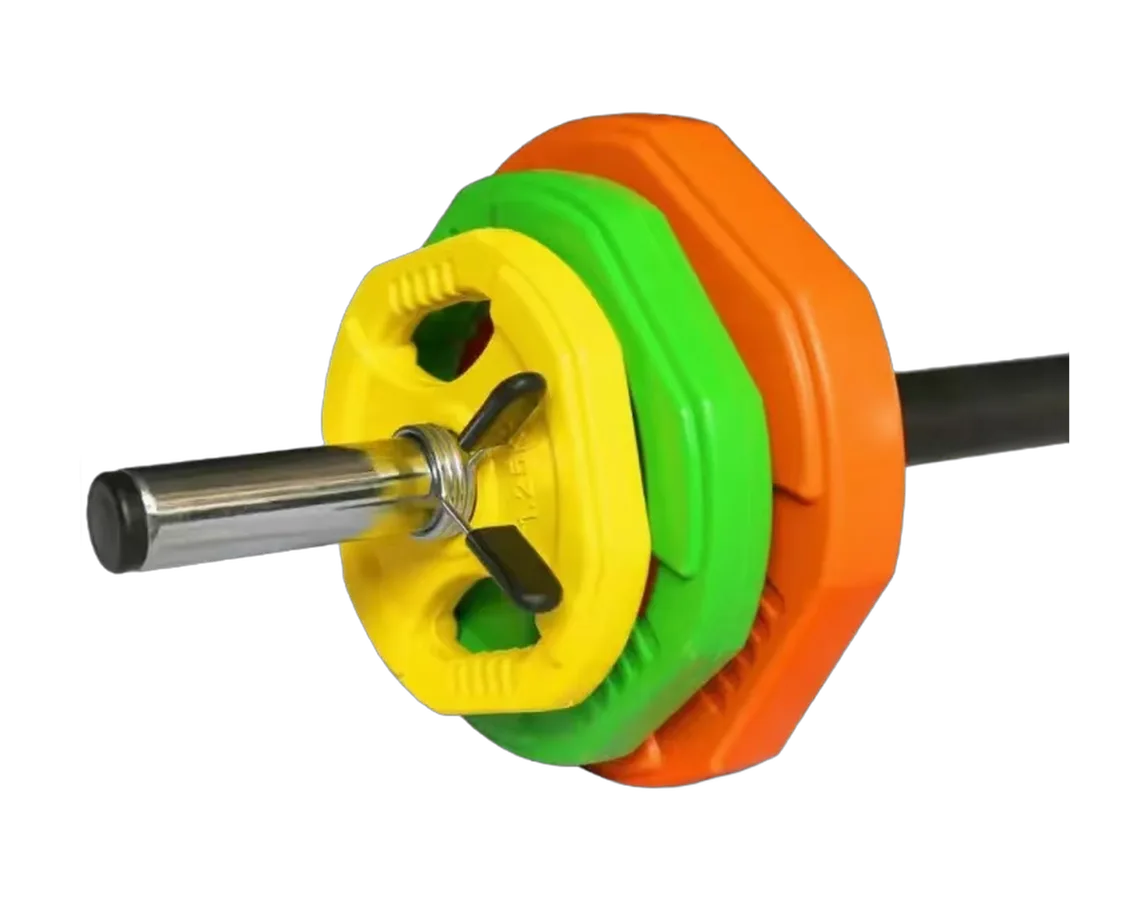
Bumper plates explained: rubber, urethane and competition, and which floor needs which
What separates a training bumper from a competition plate, why urethane bumpers are thinner, and how to specify bumper plates for a functional training floor, a…
Private-label free weights: what to send a factory to get an accurate OEM quote in 48 hours
The eight things a manufacturer needs to price a private-label dumbbell, plate or kettlebell order, and the questions that delay a quotation when they are missing.
Five things suppliers get wrong when quoting free weights
MOQ units, lead times, certification claims, performance figures and container quantities. The five errors that cause most quotation disputes, from the production side.
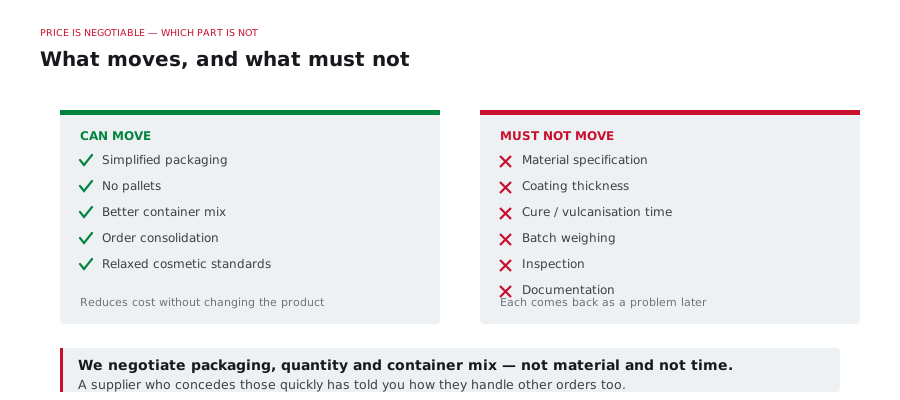
Where price can move on a free-weight order, and where it cannot
Packaging, pallets, container mix and order consolidation are negotiable. Material, coating thickness, cure time and inspection are not. And how an impossible price is usually achieved.
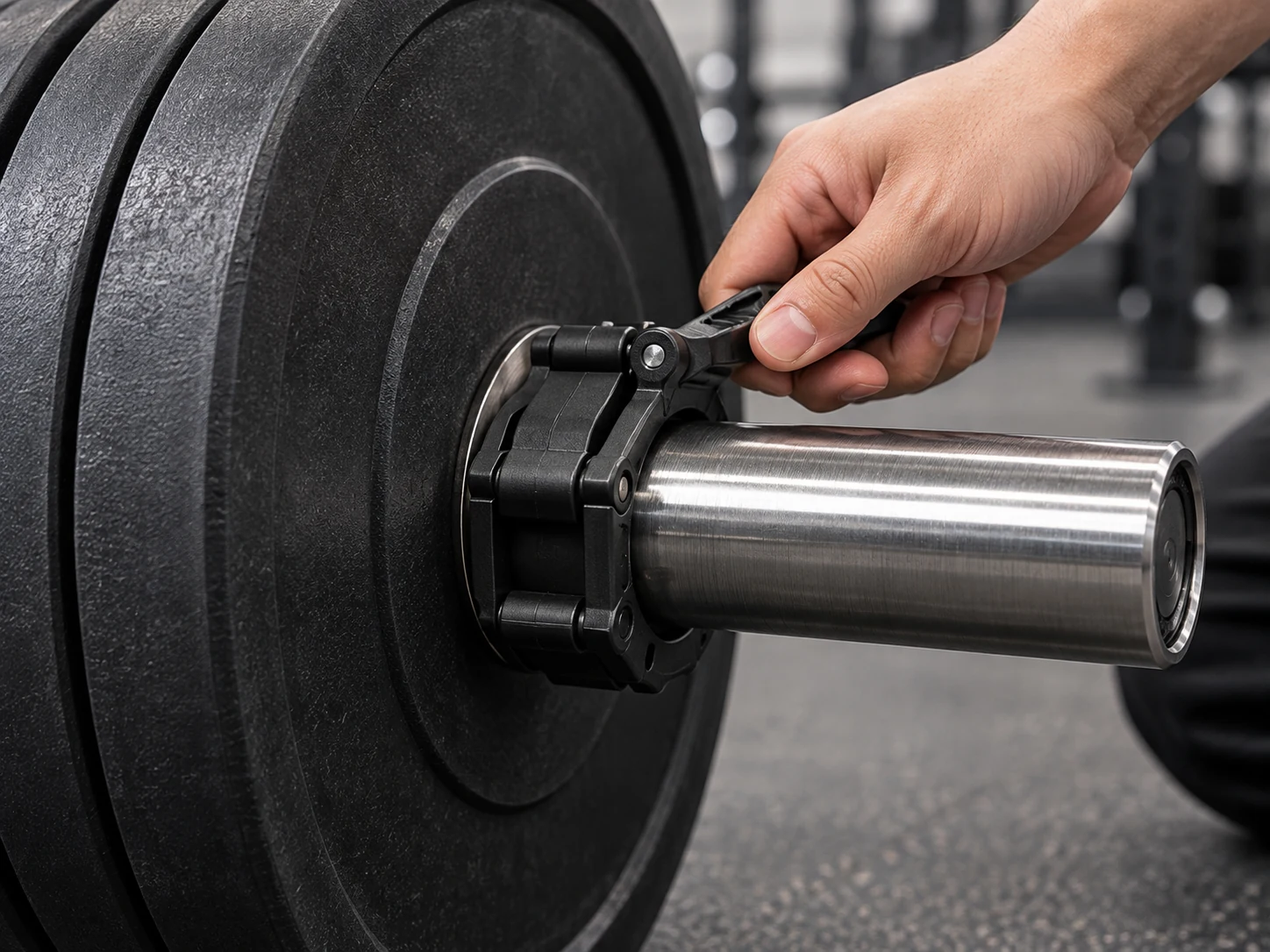
What a small first order is really testing
A trial order of collars is not a small order. It is a test of whether documentation, consistency and responsiveness hold up, before anything larger is risked.
Six production rules we wrote after getting it wrong
Every rule in a factory exists because something went wrong once. Six of ours, what caused them, and why a supplier willing to describe failures is easier to verify.
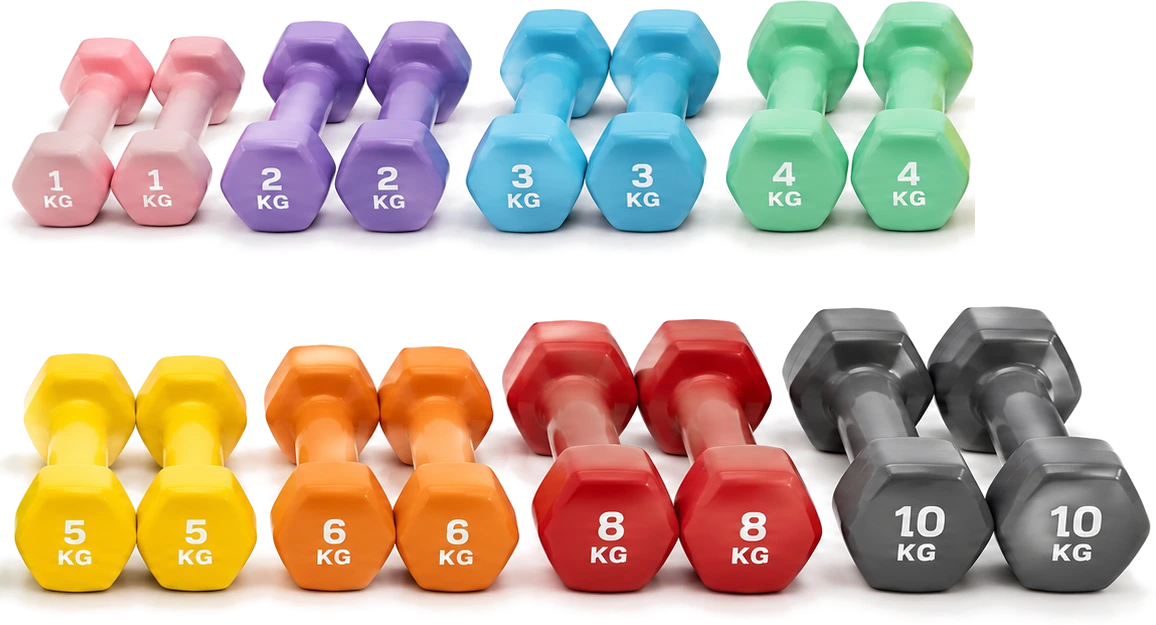
Pantone matching in production: why a screen colour is not a specification
How colour is actually matched on the factory floor, why batch variation exists, and what a brand owner should send instead of a screenshot.
What changed in free-weight manufacturing over twenty years
Materials moved from chrome and vinyl to urethane and TPU, logos from printed to moulded, inspection from sampling to batch. And buyers became far better informed.
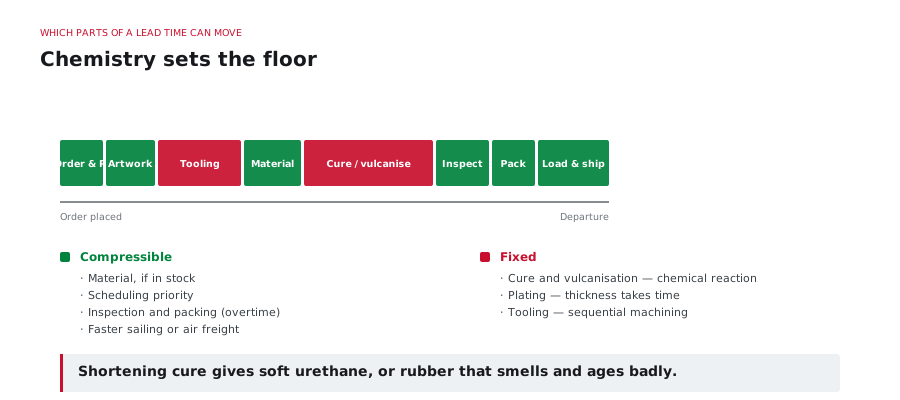
Which parts of a lead time can be compressed, and which cannot
Curing and vulcanisation are chemical reactions and cannot be shortened without damaging the product. What can be moved, what cannot, and the three questions to ask before promising a date.
Choosing free weights for humid climates
Chrome corrodes, rubber can develop mould, sewn goods lose strength. Which coatings hold up in coastal and tropical facilities, and what to ask before specifying.
Who is responsible when gym equipment breaks
How a production manager separates a manufacturing fault from a usage fault, the three categories a complaint falls into, and why timing is the most reliable single indicator.
Why rubber gym equipment smells, and what actually reduces it
The odour comes from vulcanisation and compound additives. Which three factors make it worse, what a supplier can do about it, and the diagnostic question to ask a complaining customer.
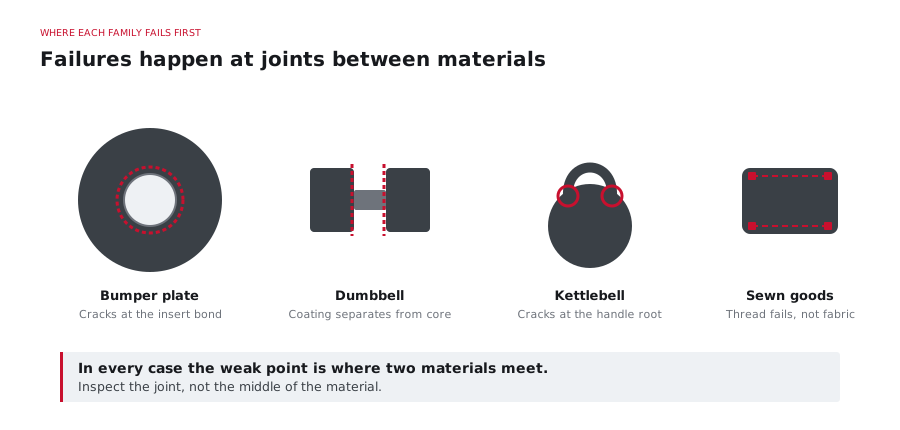
How free weights actually fail: what breaks first, and why
Bumper plates crack at the insert, dumbbells separate at the core, sewn goods fail at the stitching. What a twenty-year production manager looks for, and what it tells a buyer.
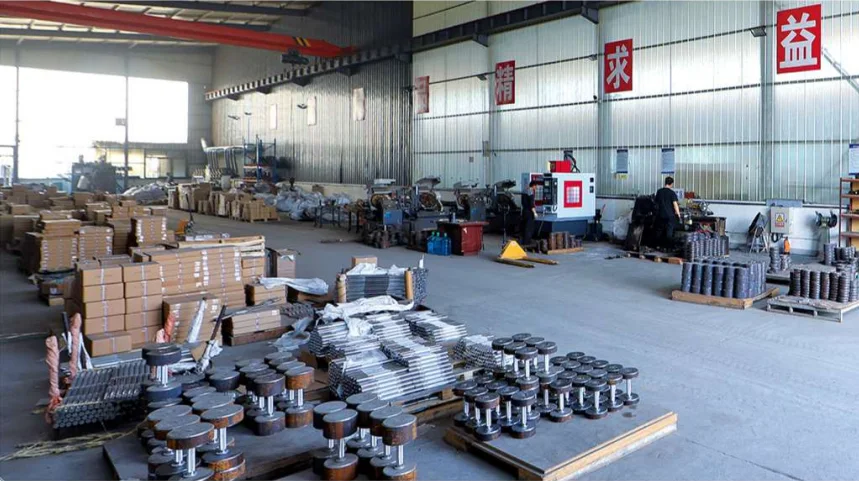
Five product families, one container, one bill of lading
What changes when dumbbells, plates, kettlebells, bars and sewn goods come off one floor: one inspection, one shipment, and one party accountable when something is wrong.
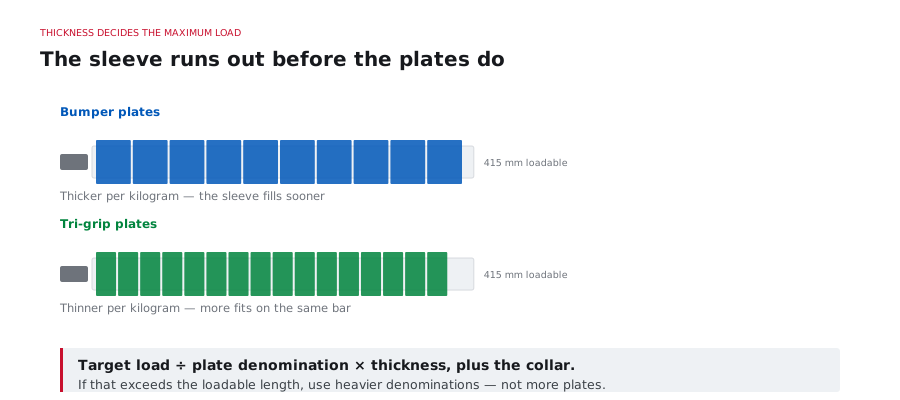
Plate diameter and thickness by weight, and why it decides your rack layout
Why bumper plates hold one diameter while tri-grip plates grow with weight, how thickness limits what fits on a bar, and what it means for storage planning.
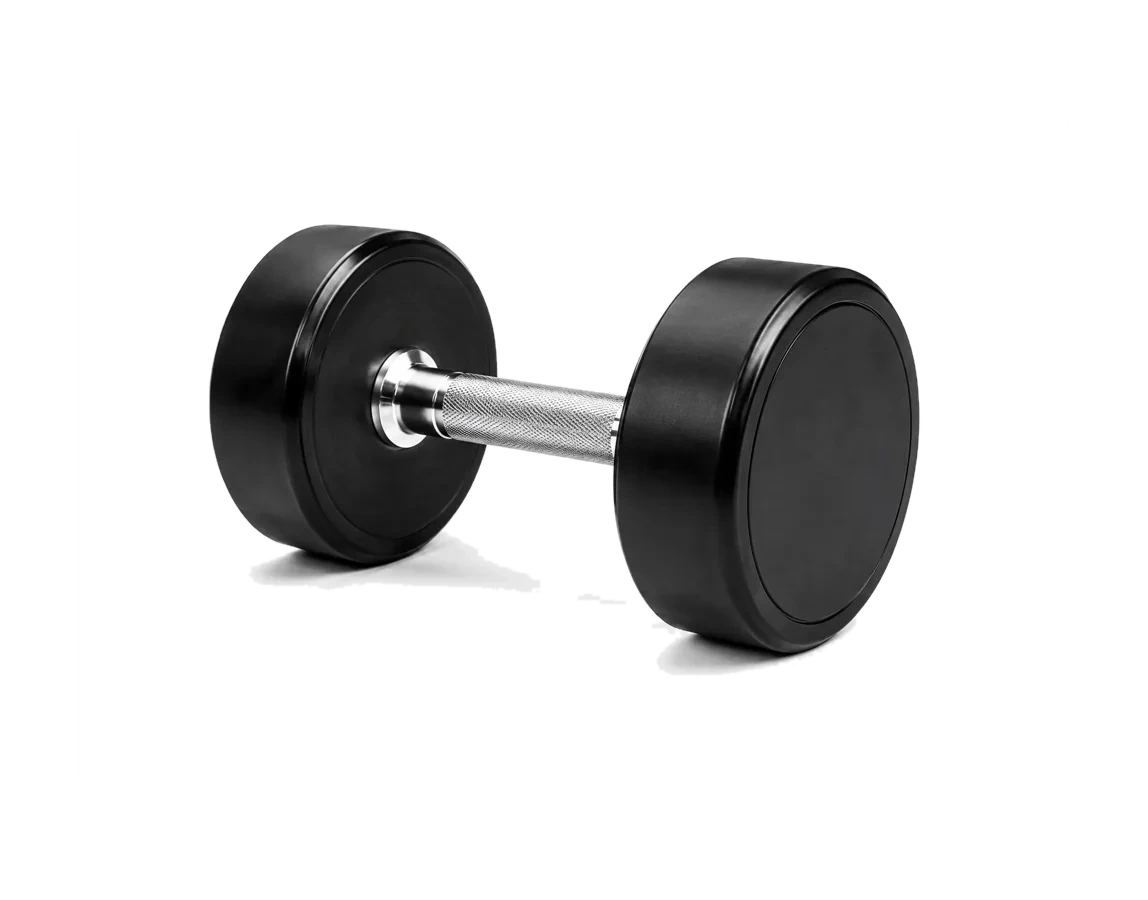
Handle diameter changes with weight, and buyers should ask about it
Why a 40 kg dumbbell needs a thicker handle than a 5 kg one, what knurl depth changes on a commercial floor, and the three ways a head is joined to a handle.
Fabric gsm and foam density: the two numbers European tenders always ask for
Why sewn goods and mats are specified by fabric weight and foam density, what our lines actually use, and what else a European tender will ask for.
Six barbell specifications buyers forget to ask about
Shaft diameter, loadable length, knurl grade, centre knurl, marking rings and spin mechanism. What each one changes and who it matters to.
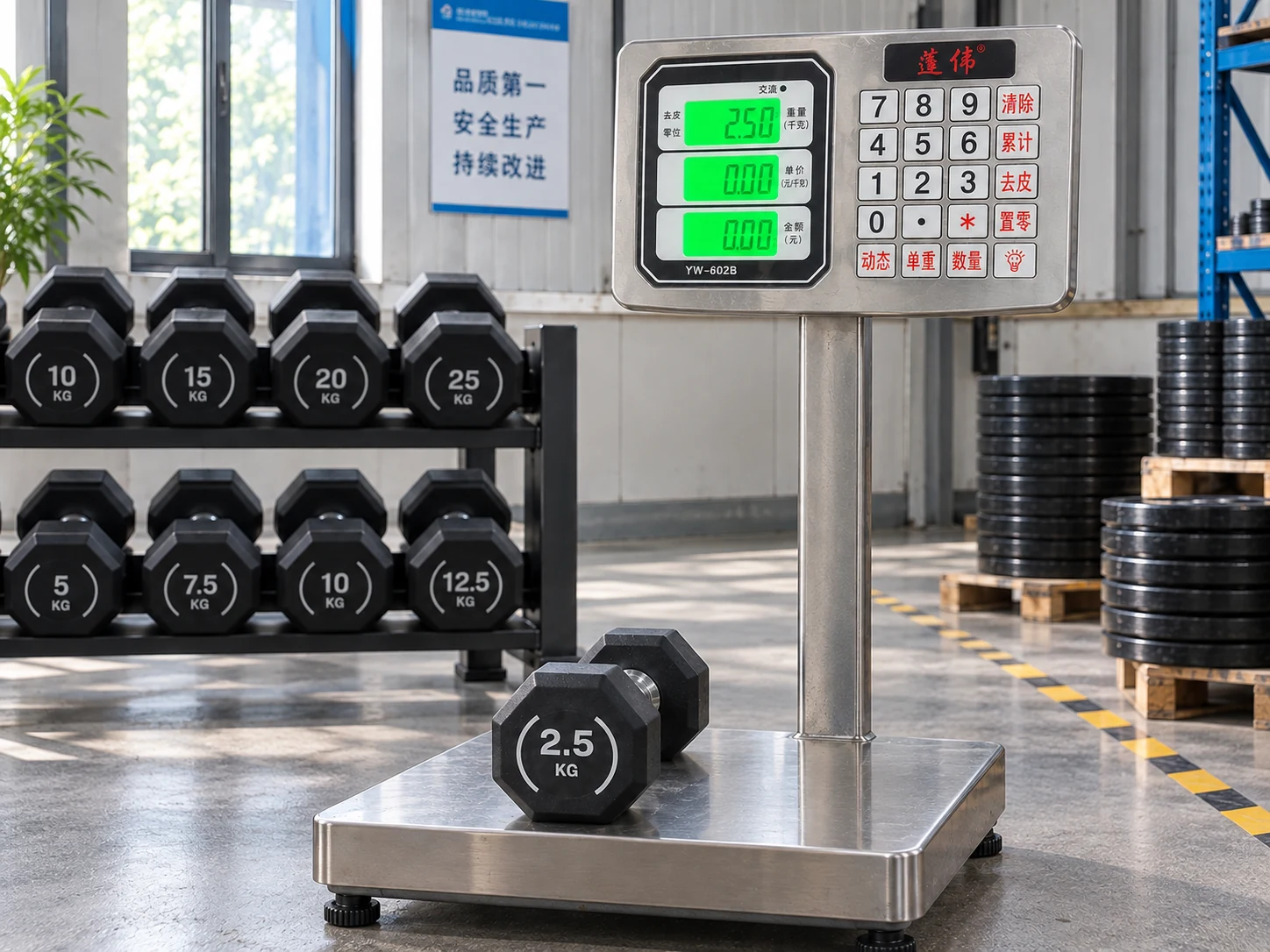
Weight tolerance: what ±1% actually means on a 20 kg plate
What a tolerance figure covers, why batch weighing differs from sampling, and why we publish ours as typical rather than guaranteed.
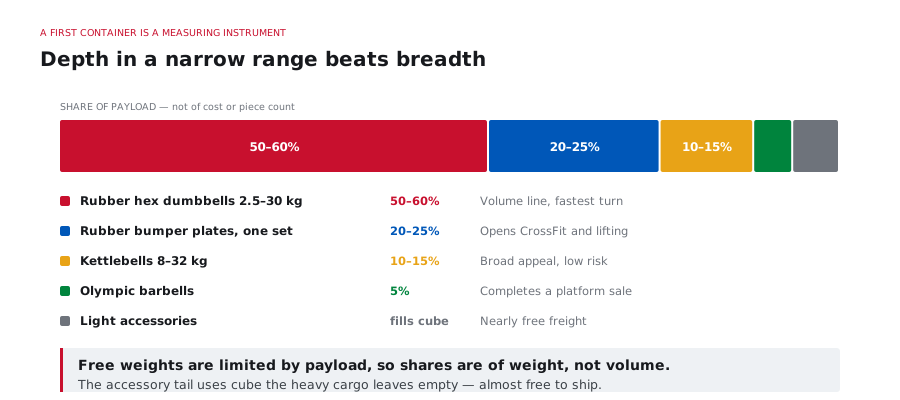
What a starter container looks like when you are opening a new territory
Why a first container should not cover the whole range, how to split it between volume lines and margin lines, and how to use six months of sell-through to build the second one.
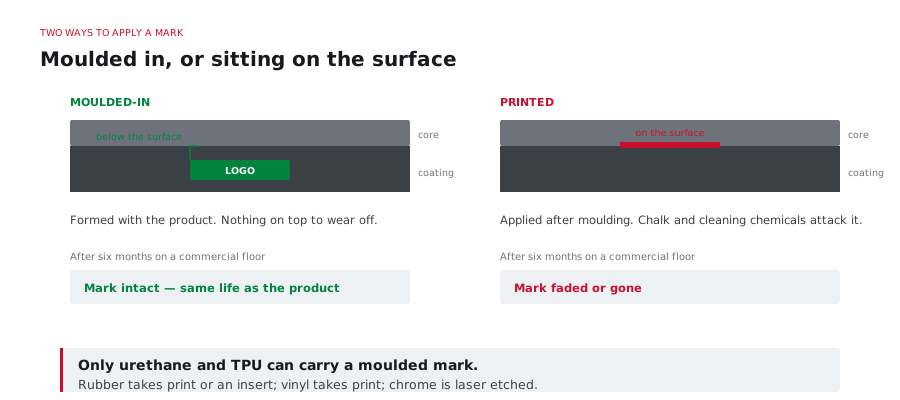
Moulded-in logo versus printed: what six months on a commercial floor does to each
Why a printed logo rarely survives a season on a commercial floor, how a moulded mark is formed, and how the tooling charge works on a first order.
Seven questions that tell you whether you are talking to a factory
Seven questions a manufacturer answers in one email and an intermediary cannot. Plus what to look for on an unannounced video call and how to arrange independent inspection.
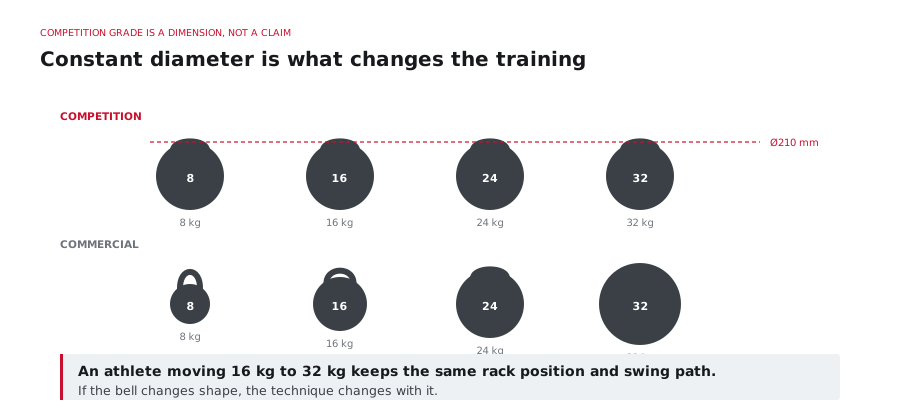
“Competition grade” is a tolerance, not an adjective
What actually separates competition kettlebells and plates from commercial ones: constant diameter, tight tolerance and federation colour coding. Plus the question to ask before quoting.
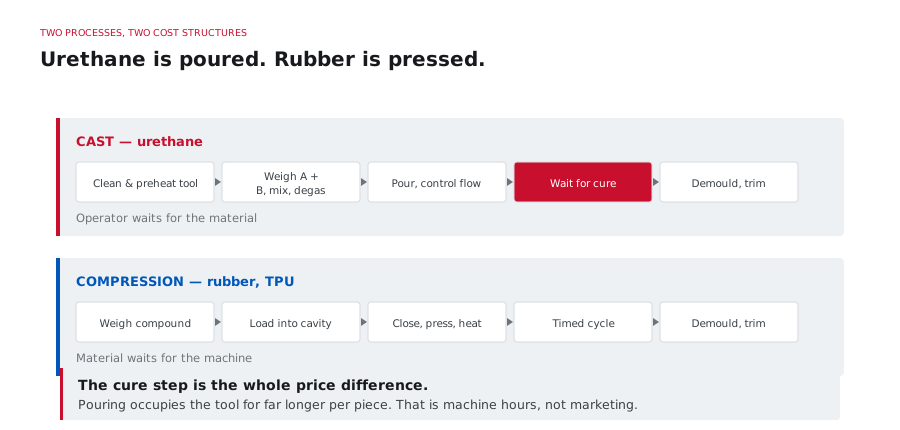
Cast or compression moulded: where the price difference in coated free weights comes from
Urethane is cast, rubber and TPU are compression moulded. What that means for cycle time, cost, odour, floor marking and logo options, and how to choose a coating by end market.
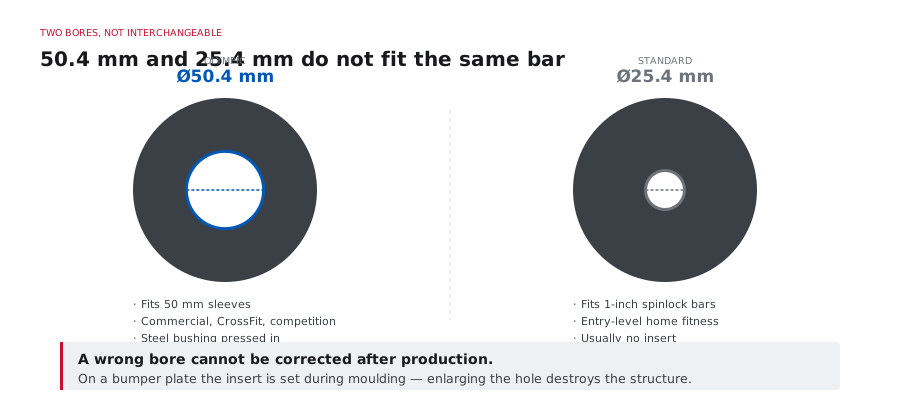
50.4 mm or 25.4 mm: the bore question that scraps entire orders
Olympic and standard weight plates do not fit the same bar. How to identify which bore a buyer needs, why it has to be confirmed before quoting, and what to do if an order was placed wrong.
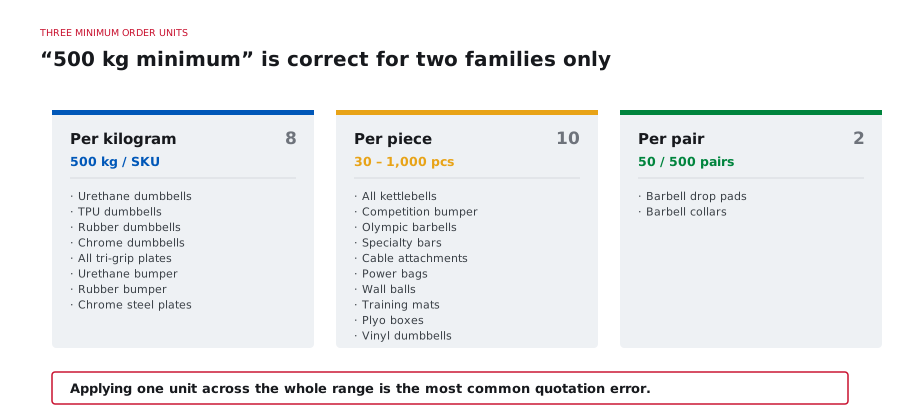
Why free-weight MOQ is quoted in kilograms, pieces or pairs
Our 26 lines use three different minimum order units. Which line uses which, why a 2.5 kg and a 40 kg dumbbell cannot share a piece-based MOQ, and how to spread a first order.
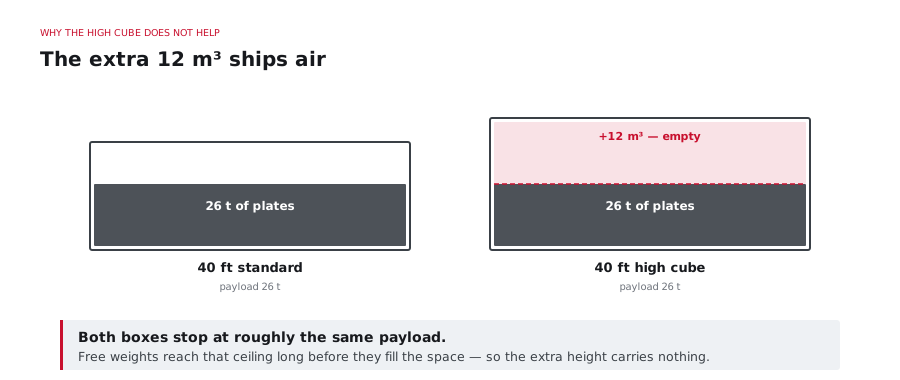
20ft or 40ft for free weights: the payload maths most importers get wrong
A 40ft high cube carries no more weight than a standard 40ft. Why free weights hit the payload ceiling first, and how to work out which box is cheaper per kilogram.
Request a quotation
Send the list. Get price, lead time and container loading in one working day.
Item list, quantities and destination port are enough to start. Logo artwork and colour references can follow once the price is agreed.
- Emailsales@ironhue.com
- Phone / WhatsApp / WeChat+86 138 6042 3022
- OfficeIronhue Limited
Room 1203, No.5 Jinzhong Road, Huli District, Xiamen, China