
Quick answer
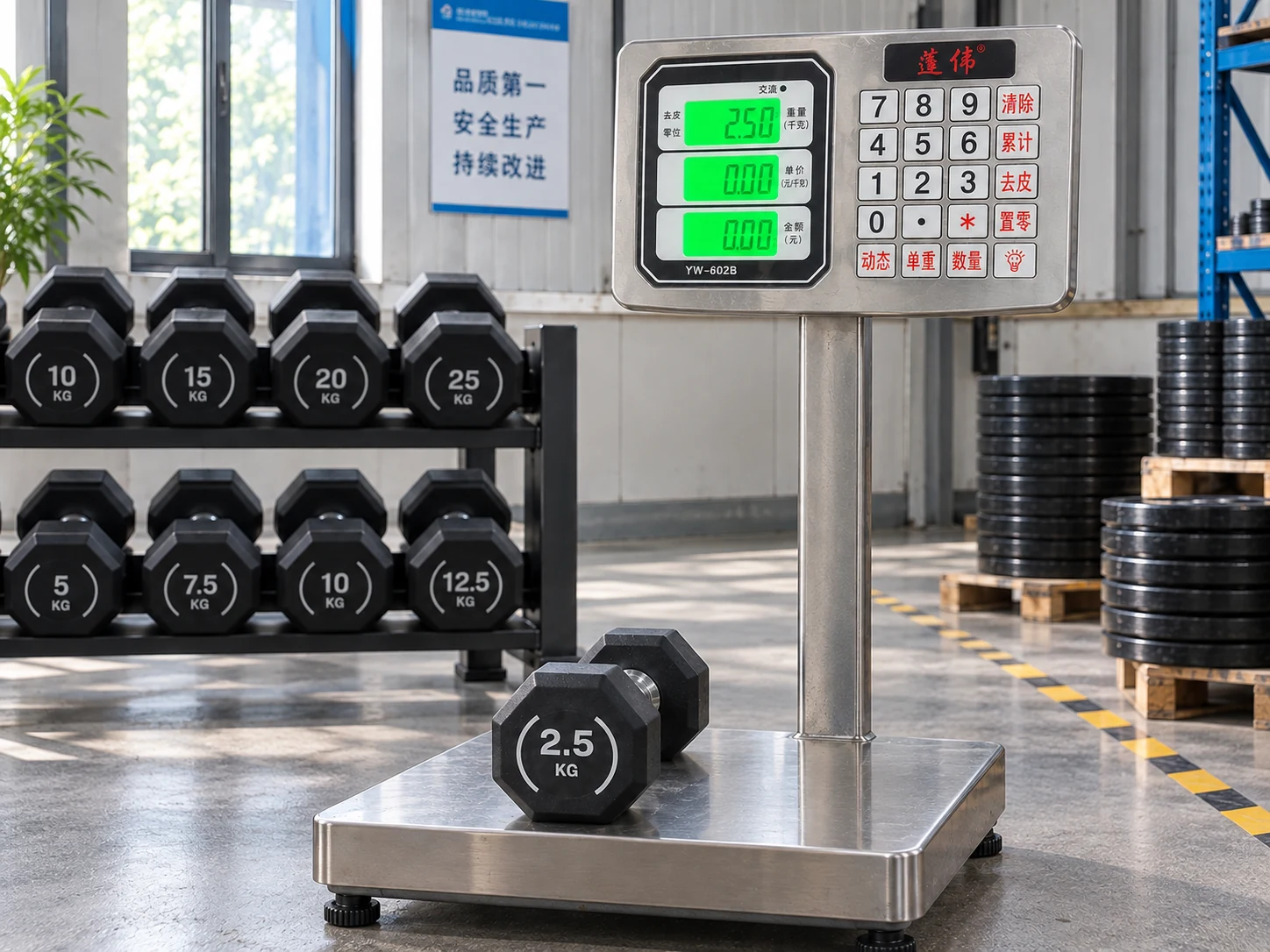
A ±1% tolerance on a 20 kg plate allows roughly 200 g either way. That sounds generous until two plates sit on opposite ends of the same bar, where the visible question is the difference between them, not the deviation from nominal. Our published figures are marked typical, not guaranteed: every batch is weight-checked against calibrated scales before packing, but we hold no independent laboratory certification and do not claim any. Where certified figures matter, commission your own testing.
Tolerance is easy to quote and hard to verify, which is why it appears on almost every specification sheet in this industry and means different things on each one.
What the number covers
A tolerance of ±1% on a 20 kg plate permits a finished piece between 19.8 and 20.2 kg. On a 2.5 kg dumbbell the same percentage is 25 g.
Percentage tolerance is normal for coated free weights because the coating thickness varies slightly across the piece. Competition bumper plates are the exception: those are usually specified as an absolute figure in grams, because on a platform what matters is the absolute difference between two plates, not a proportion of nominal.
| Line | Typical tolerance |
|---|---|
| Urethane and TPU lines | ±1% |
| Rubber lines | ±2% |
| Competition bumper plates | ±10 g |
The difference that actually shows
Deviation from nominal is rarely noticed. What gets noticed is the difference between two pieces that are used together.
If one 20 kg plate comes in at 19.85 kg and its partner at 20.15 kg, both are within ±1%, but the bar carries 300 g more on one side. A lifter will feel it before anyone measures it, and on a competition platform it is a fairness question rather than a comfort one.
This is why competition grade specifies a tight absolute figure. It is also why pairing matters in production: pieces intended to be used together should come from the same batch.
Batch weighing versus sampling
Two suppliers can quote the same tolerance and inspect very differently.
| Batch weighing | Sampling | |
|---|---|---|
| What is checked | Every piece in the batch | A proportion, often 2–5% |
| Catches | Individual outliers | Systematic drift only |
| Cost | Higher | Lower |
Sampling is a legitimate method and detects a mould running consistently heavy or light. What it does not catch is the occasional individual piece outside tolerance, because that piece is unlikely to be in the sample.
So the useful question to a supplier is not “what is your tolerance?” but “what is your tolerance, and is every piece weighed or a sample?”
Why we write “typical”
Our specification tables mark tolerance figures as typical rather than guaranteed. That wording is deliberate and worth explaining, because it looks weaker than what some competitors publish.
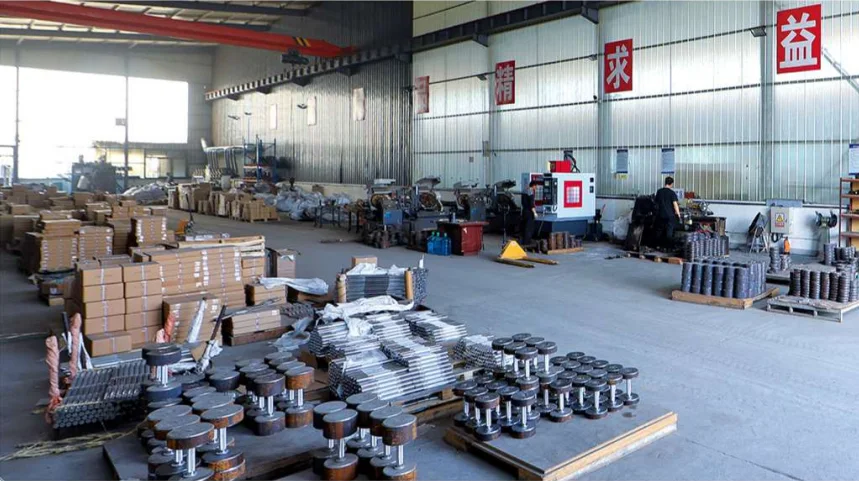
We weight-check every batch against calibrated scales before packing, and the tolerance on the specification sheet is the tolerance we inspect to. What we do not have is an independent laboratory certificate attesting to it, so we do not present the figure as though we do.
A supplier printing a tolerance as a guarantee is either holding certification — in which case ask for it — or treating a production target as a legal commitment.
How to verify it yourself
Any buyer can check tolerance without specialist equipment:
- At pre-shipment inspection. Appoint an agency, specify a sample size and a tolerance criterion in the inspection brief, and have them weigh against a calibrated scale.
- On arrival. Weigh a sample across weights and, more importantly, weigh pairs against each other.
- On samples before ordering. Ask for pieces from the top, middle and bottom of the range.
We would rather you did this than take our word for it. Third-party and customer inspection is welcome at any stage of production.
Frequently asked
What does ±1% weight tolerance mean on a 20 kg plate?
The finished piece may weigh between 19.8 and 20.2 kg. On a 2.5 kg dumbbell the same percentage allows 25 g either way.
Why do competition plates use grams instead of a percentage?
Because on a platform what matters is the absolute difference between two plates loaded on opposite ends of the same bar, not the proportional deviation from nominal.
Is every piece weighed, or only a sample?
We weight-check every batch against calibrated scales before packing. Sampling is a legitimate alternative that catches systematic drift, but it will not find an occasional individual piece outside tolerance.
Why do you publish tolerance as typical rather than guaranteed?
Because we inspect to it but hold no independent laboratory certification for it. Presenting a production target as a certified guarantee would overstate what we can evidence.
How can a buyer verify weight tolerance?
Specify a sample size and tolerance criterion in a pre-shipment inspection brief, weigh a sample on arrival, and check pairs against each other rather than only against nominal.

Written by the people who quote, tool and inspect the product at our own plant. Questions: sales@ironhue.com
Request a quotation
Send the list. Get price, lead time and container loading in one working day.
Item list, quantities and destination port are enough to start. Logo artwork and colour references can follow once the price is agreed.
- Emailsales@ironhue.com
- Phone / WhatsApp / WeChat+86 138 6042 3022
- OfficeIronhue Limited
Room 1203, No.5 Jinzhong Road, Huli District, Xiamen, China